Made to order · Free delivery · Lifetime warranty

Learn · Shapes

Shape is the first decision, and the one you'll notice daily.

Shape describes the outline of the stone; faceting style describes what happens inside it. Together they decide whether a diamond throws pinpoint sparkle or wide mirror-like flashes, whether it flatters a long finger or a short one, and how much of your budget goes into the look versus the weight. Below is what we tell customers on a video call, written down.

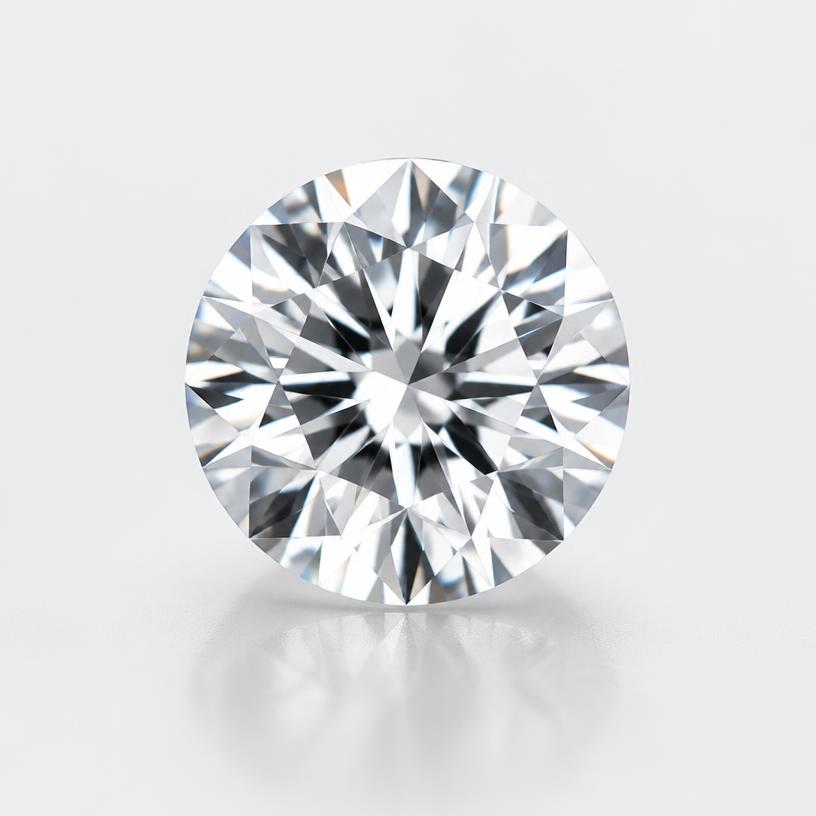
Round cut laboratory-grown diamond

Round

57 or 58 facets, brilliant cut · Flattering ratio 1.00–1.02

The most studied cut in the trade and the only shape with a standardised overall cut grade. Returns more light than anything else when proportions are right, and hides body color and small inclusions well.

What to watch for: Cutting a round wastes the most rough, so it carries the highest price per carat. Check table and depth percentages rather than trusting the word 'ideal'.

Settings that suit it: Anything. Solitaire, hidden halo, three-stone, pavé.

Shop round diamonds
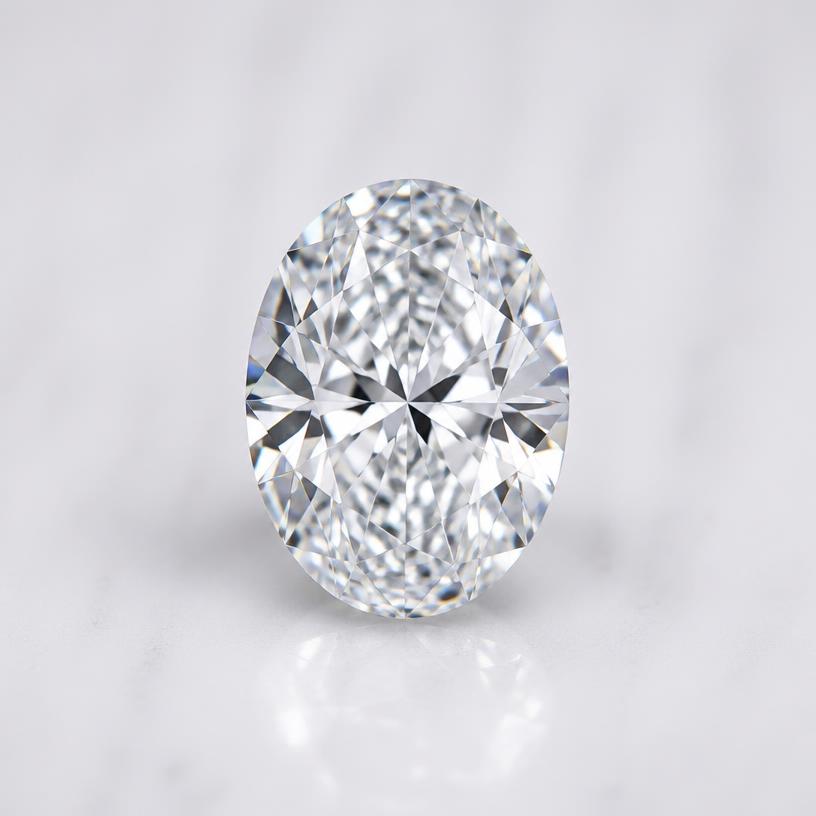
Oval cut laboratory-grown diamond

Oval

56–58 facets, brilliant cut · Flattering ratio 1.35–1.50

Elongates the finger and looks larger than a round of the same weight because more of its surface faces up. Currently our most-requested centre stone.

What to watch for: The bow-tie — a dark band across the middle caused by pavilion angles. Every oval has one; a good one is barely visible. Always look at the actual stone's video.

Settings that suit it: East-west, north-south solitaire, or a slim pavé band.

Shop oval diamonds
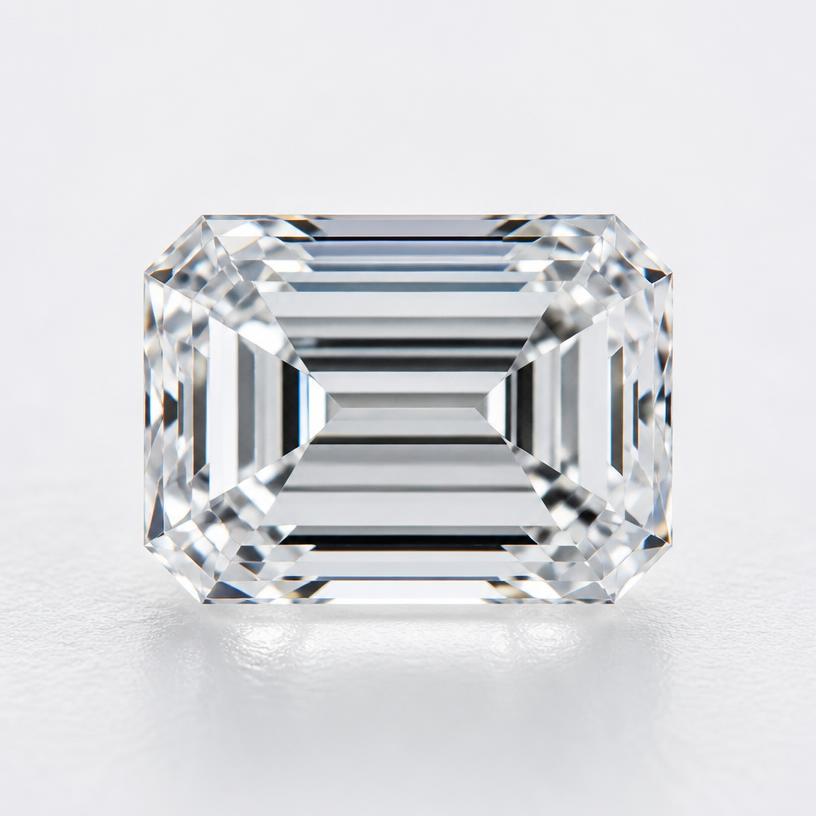
Emerald cut laboratory-grown diamond

Emerald

Step cut, typically 57 facets · Flattering ratio 1.30–1.50

Long parallel facets produce broad flashes rather than sparkle — an architectural, glassy look. Reads distinctly vintage and modern at once.

What to watch for: Step cuts hide nothing. Buy a grade higher on both clarity and color than you would for a brilliant; VS1 and G or better is our floor.

Settings that suit it: Bezel, three-stone with tapered baguettes, or a plain band.

Shop emerald diamonds
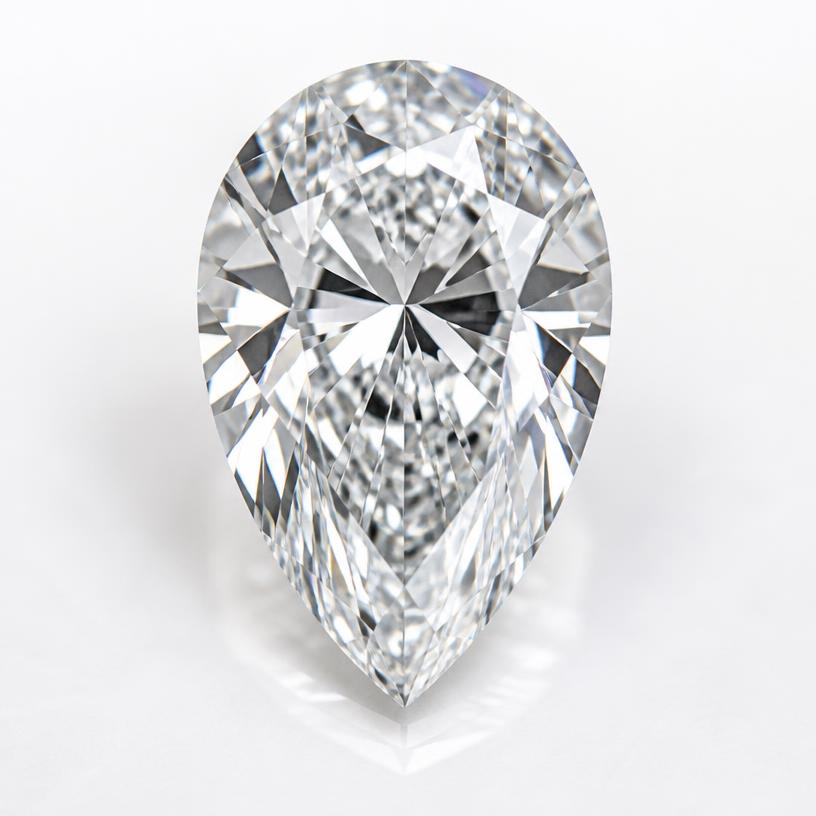
Pear cut laboratory-grown diamond

Pear

56–58 facets, brilliant cut · Flattering ratio 1.45–1.75

A round and a marquise joined; the point elongates the hand and the rounded end keeps it soft. Distinctive without being loud.

What to watch for: Symmetry. The point must line up with the apex of the curve, and the shoulders should be even. A bow-tie can appear here too. The point needs a V-prong for protection.

Settings that suit it: Point-up solitaire, or a halo that follows the outline.

Shop pear diamonds
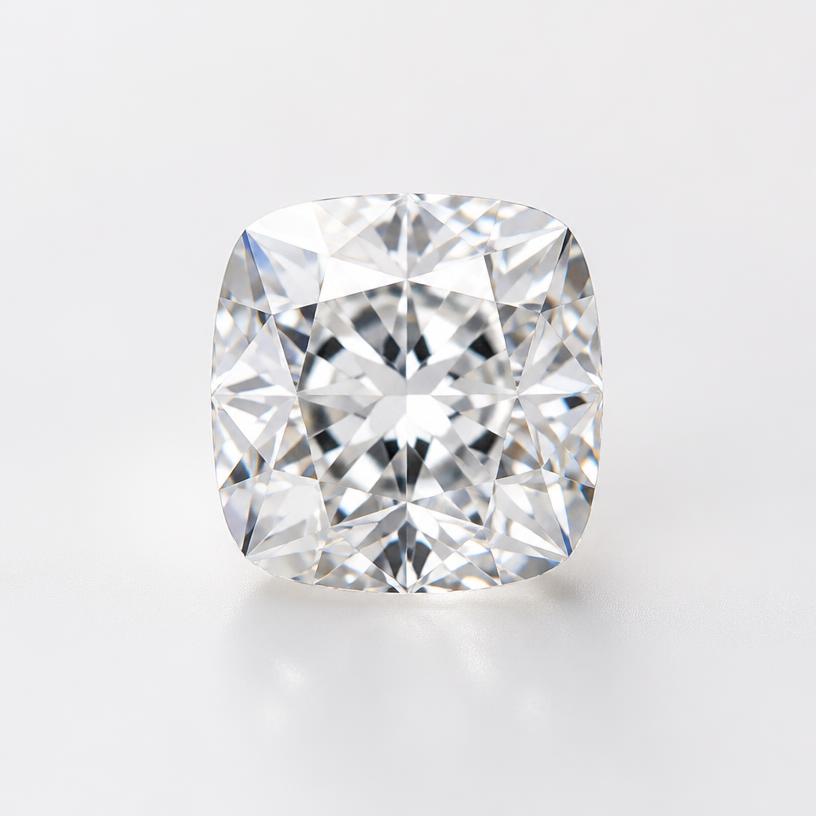
Cushion cut laboratory-grown diamond

Cushion

Brilliant or 'crushed ice' faceting · Flattering ratio 1.00–1.20 square, 1.20+ elongated

Rounded corners and a pillowy outline. Two distinct faceting styles exist: chunky 'crushed ice' with a scattered sparkle, and larger-faceted versions with more defined flashes.

What to watch for: The two styles look genuinely different and the report will not say which one you have. Ask, or view the stone.

Settings that suit it: Halo, double halo, or a classic four-prong.

Shop cushion diamonds
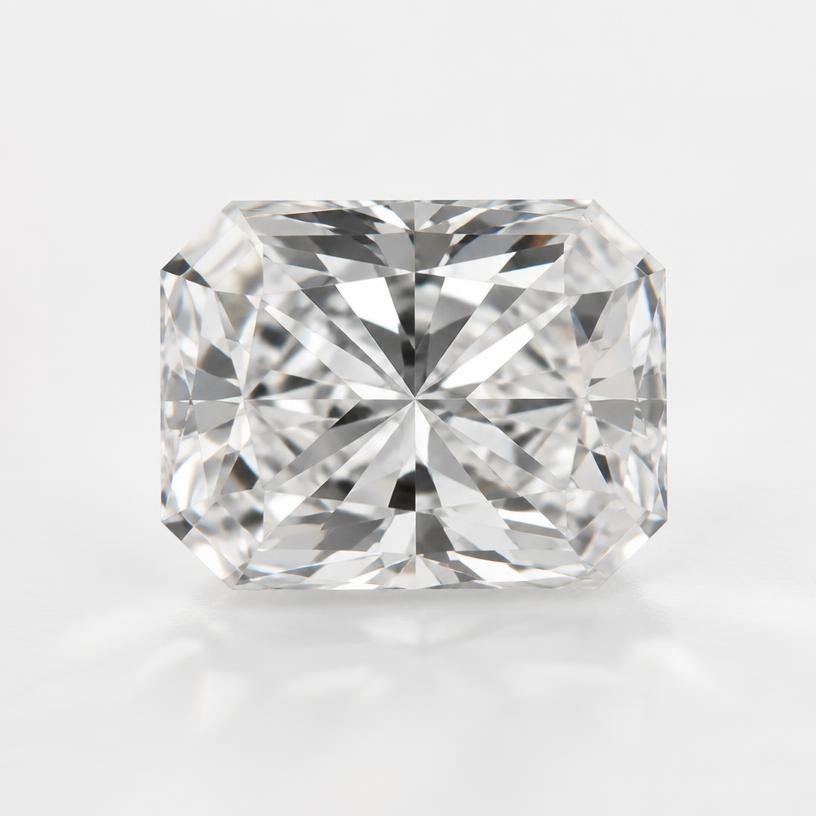
Radiant cut laboratory-grown diamond

Radiant

70 facets, brilliant faceting in a rectangular outline · Flattering ratio 1.00–1.05 square, 1.25–1.45 elongated

The outline of an emerald cut with the sparkle of a brilliant. Forgiving of colour and clarity, so it stretches a budget further than a step cut.

What to watch for: Corners must be even and the crushed-ice faceting can look busy in smaller sizes. Elongated ratios flatter the hand most.

Settings that suit it: Hidden halo or a chunky bezel.

Shop radiant diamonds
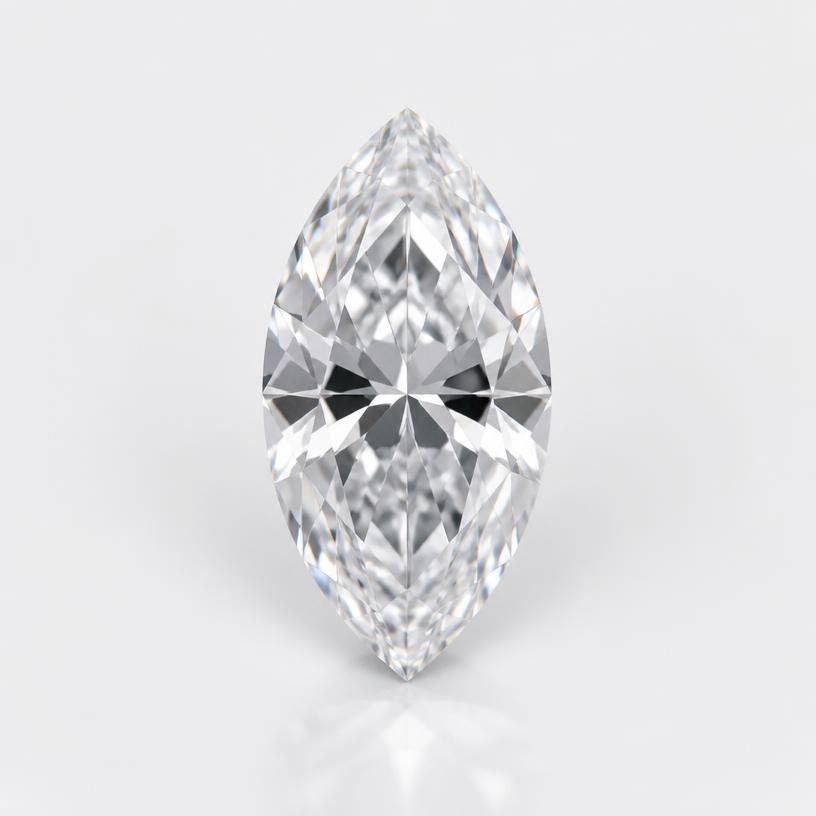
Marquise cut laboratory-grown diamond

Marquise

56–58 facets, brilliant cut · Flattering ratio 1.85–2.10

The largest apparent size per carat of any shape. Dramatic, elongating, and firmly back in fashion after decades out of it.

What to watch for: Both points need V-prongs. Bow-ties are common and can be severe. Uneven wings — the curves between point and belly — are the giveaway of a poorly cut stone.

Settings that suit it: North-south solitaire with a delicate band.

Shop marquise diamonds
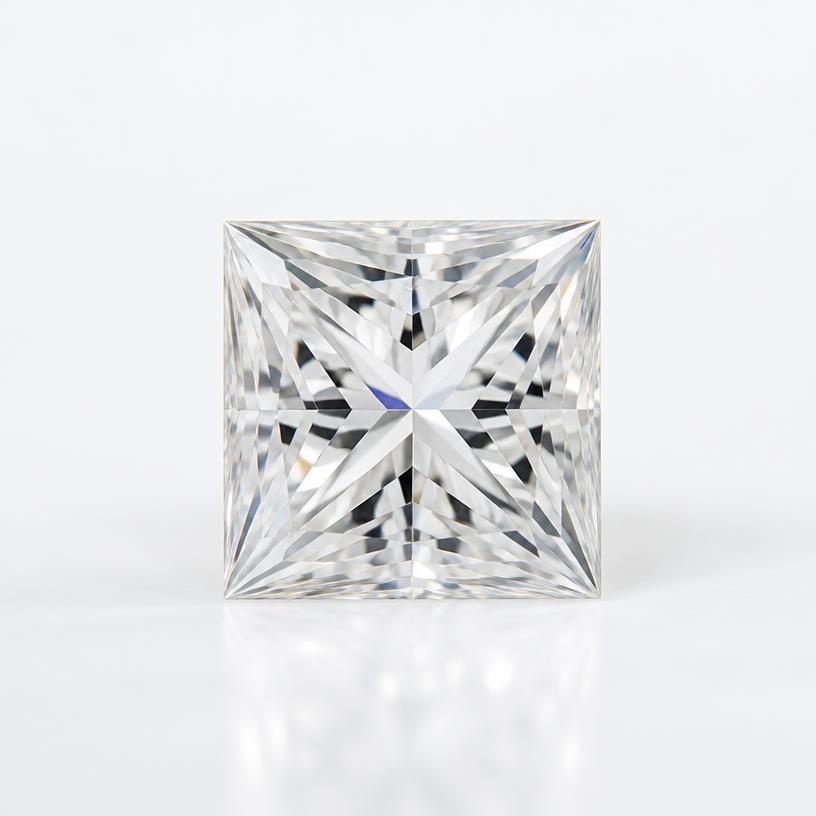
Princess cut laboratory-grown diamond

Princess

Square modified brilliant, 57–76 facets · Flattering ratio 1.00–1.05

Sharp, contemporary, and the most efficient shape to cut from rough — which shows up as a lower price per carat.

What to watch for: Corners are the vulnerable point and should sit inside protective prongs. Colour concentrates at the corners, so we buy princess cuts a grade whiter.

Settings that suit it: V-prong solitaire or channel-set with baguettes.

Shop princess diamonds

A note on length-to-width ratio

For every shape except round, the ratio printed on the grading report tells you how elongated the stone is. It is a matter of taste rather than quality — but it is the single number that most changes how a diamond looks on a hand, and two stones with identical 4Cs can look nothing alike because of it. If you're shopping remotely, give us your preferred ratio along with your budget and we'll shortlist accordingly.